Ascend: Our product roadmap webinar is back! Hear from our product leaders on how the latest updates unlock more value for you. Register for Free →
As many as 70-90% of stockouts are caused by poor shelf replenishment practices that in turn lead to lost sales, erosion of customer loyalty, and directly impact retail profitability.
Crafting an intelligent replenishment strategy involves cross-functional integration, data-driven insights for smart ordering, automation-driven forecasting, and improved supply chain visibility.
40% of retailers cancel at least one in ten orders due to inaccurate inventory data.
Almost 60% of retailers have less than 80% inventory accuracy and face data challenges.
Cannibalization wipes out as much as 17% of the extra sales volume generated by promotions.
ML-driven replenishment balances demand at the SKU-level to ensure minimal competition and keeps the profits intact across all categories.
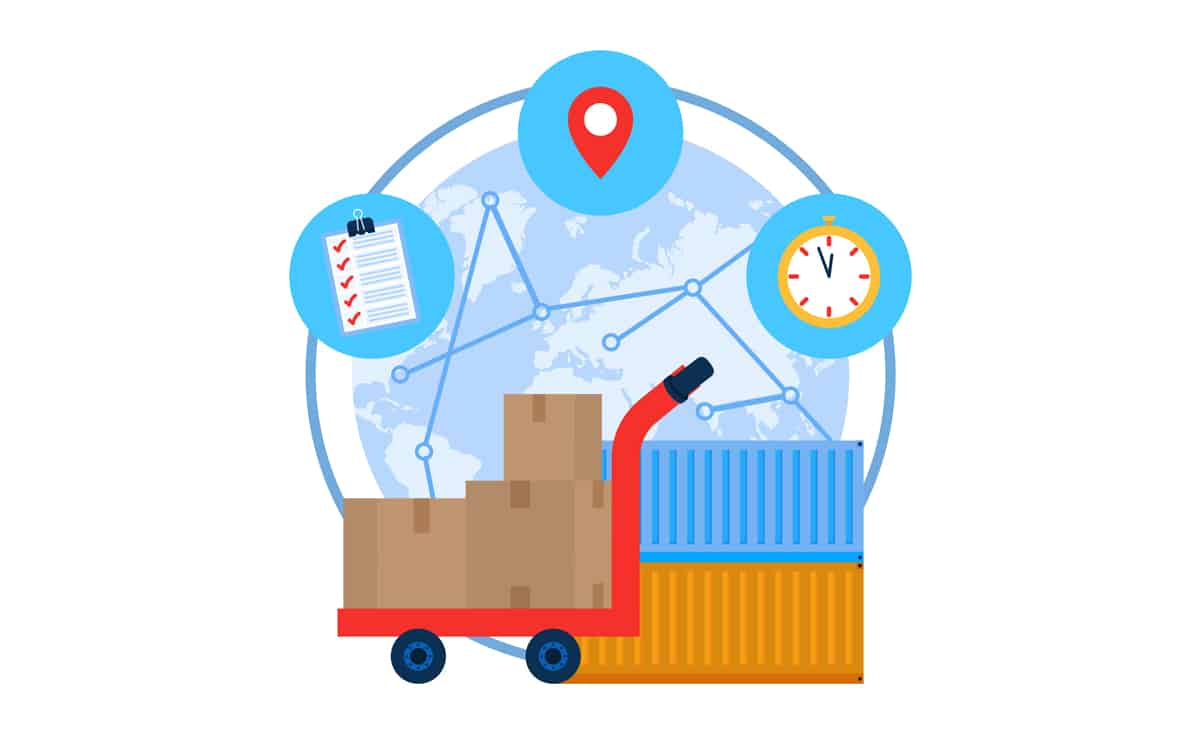
45% of businesses have limited supply chain visibility, and only 15% have visibility beyond Tier 1 suppliers.
ML-driven self-learning models adapt to supply chain disruptions and generate optimal replenishment plans by modeling variations in lead times, fill rates, safety stock, and pending orders.
Let’s face it—customers nowadays expect deeper and relevant communication, not cookie-cutter-styled messaging across every channel.
Deliver a best-in-class customer experience, increase online sales, and drive operational efficiency at scale
AI-powered social proof that reads every context and serves what converts.